When a cavity or small fracture weakens a tooth, today’s composite fillings offer a solution that restores both function and appearance. Composites are tooth-colored resins engineered to closely match enamel in shade and translucency, so repairs blend into your smile instead of standing out. Because they are shaped and polished to mirror natural tooth contours, modern composites can provide a finished result that feels as comfortable as it looks.
Composites bond directly to the remaining tooth structure, creating a reinforced interface that helps resist further breakdown. This adhesion lets us repair the tooth conservatively, keeping as much healthy enamel and dentin as possible. For patients who prioritize a discreet result, the esthetic benefits of composite materials are a major advantage over traditional metal restorations.
Beyond appearance, composite resins are versatile. They can be used for small to moderate cavities, to replace older restorations, and in some cases to reshape teeth for improved bite alignment. Their adaptability makes them a reliable choice for many routine restorative needs, and they can be matched precisely to the surrounding teeth for a cohesive, natural-looking outcome.
One of the key benefits of composite fillings is their conservative approach. Because the material bonds to enamel and dentin, the dentist often needs to remove less healthy tooth structure during preparation. This means more of the natural tooth is preserved, which supports long-term strength and reduces the need for larger restorations in the future.
Minimally invasive preparation also helps maintain the tooth’s natural anatomy and reduces the risk of weakening adjacent areas. By conserving sound tissue, we improve the tooth’s ability to withstand chewing forces and help maintain a stable bite over time. The overall goal is to repair the problem without creating unnecessary damage.
In many cases, this conservative philosophy translates to less postoperative sensitivity and a simpler recovery. Keeping treatment precise and targeted helps the restored tooth behave more like an unaffected tooth, allowing normal function while minimizing the potential for complications down the road.

When you arrive for cavity treatment, the visit is tailored to make the experience efficient and comfortable. After a careful exam and, if needed, X-rays to confirm the extent of decay, the tooth is isolated and cleaned. Local anesthesia is available to ensure the procedure is painless; many patients find the process quicker and less invasive than they anticipated.
The decayed material is removed with conservative precision, and the cavity is prepared to accept the composite. Because the resin is applied in layers, the dentist can sculpt each increment for optimal fit and occlusion. A curing light hardens each layer, allowing careful control over shaping and finishing so the final restoration integrates smoothly with surrounding teeth.
Most composite fillings are completed in a single appointment. Once the restoration is set, the dentist checks the bite, trims any high points, and polishes the surface to a smooth, natural sheen. Clear communication about what to expect during and after the appointment helps patients feel informed and at ease throughout the process.
Patient comfort is a priority during every restorative visit. In addition to local anesthesia, our team discusses comfort options and answers questions before beginning. For individuals who experience dental anxiety, the practice offers approaches to reduce stress and help you remain relaxed during treatment. We’ll always take the time to explain the steps so you know what’s happening and why.
The bonding process itself strengthens the repair by creating a tight seal between the composite and the tooth. This seal helps block bacteria from re-entering the area and reduces the risk of recurrent decay at the margins. Proper isolation and technique are essential; when performed carefully, bonded composites provide durable protection and an attractive, long-lasting restoration.
Finishing and polishing are more than cosmetic touches — they smooth the restoration to minimize plaque retention and improve comfort during chewing and speaking. A well-polished composite resists staining and feels natural against the tongue, helping the repaired tooth function seamlessly with its neighbors.
After a composite filling, routine care supports longevity. Brushing with a fluoride toothpaste, daily flossing, and regular dental checkups help keep both restorations and natural teeth healthy. During periodic visits, the dentist inspects the margins of fillings and addresses small issues before they become larger problems, extending the life of the restoration.
It’s common to notice mild sensitivity for a few days after a filling as the tooth acclimates. This typically resolves on its own, but persistent discomfort or pain when biting should be evaluated so adjustments can be made. Good oral hygiene and professional maintenance are the most reliable ways to avoid future decay around a filling.
For patients with multiple restorations or extensive wear, the dentist may discuss alternative options such as inlays, onlays, or crowns if a larger portion of the tooth needs restoration. When used appropriately, composite fillings remain an excellent choice for many situations, striking a balance between conservation, strength, and esthetics.
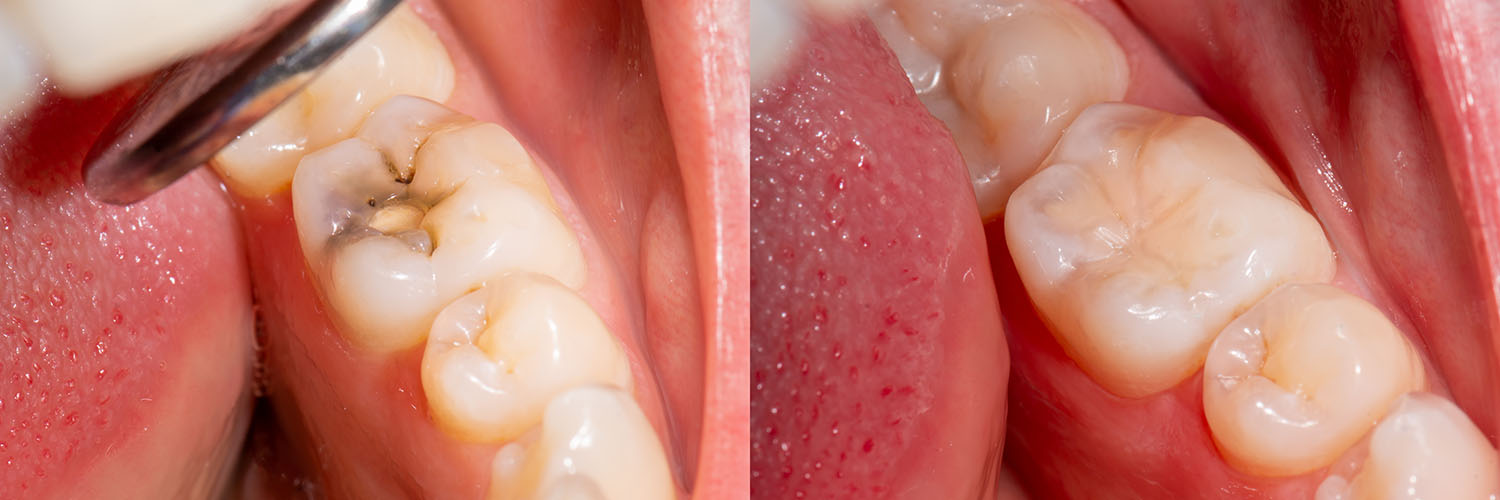
We aim to restore teeth so they look natural, feel comfortable, and support your oral health for years to come. If you have questions about composite fillings or how a repair fits into your overall treatment plan, we’re glad to discuss options that suit your needs.
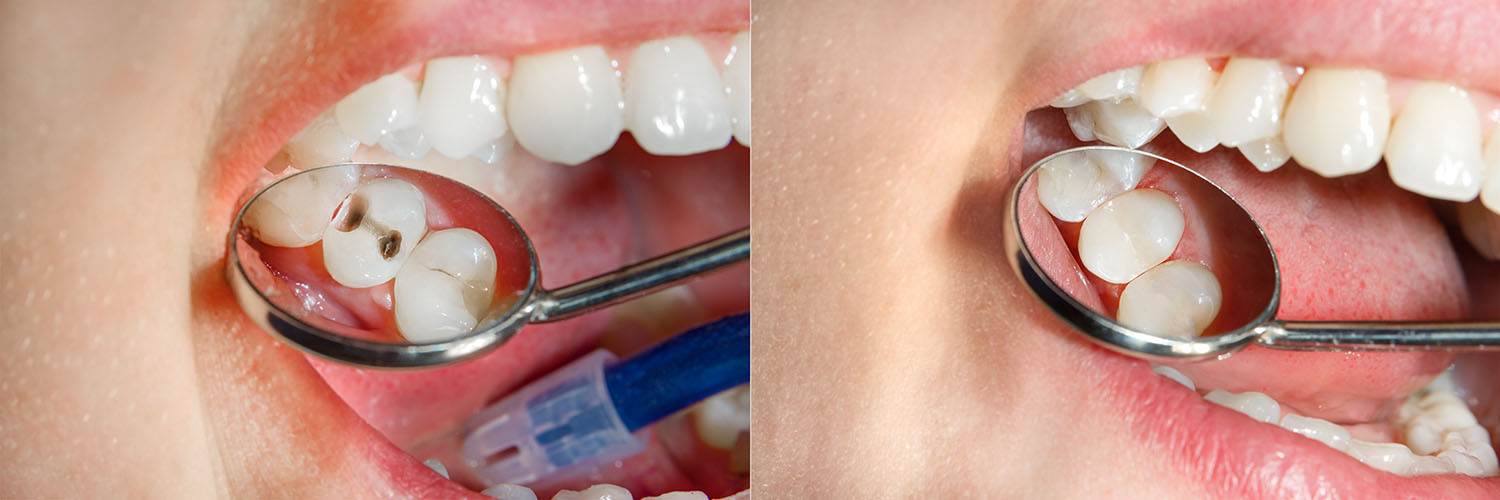
At Smiles N Beyond, our approach to restorative care emphasizes predictable outcomes and patient comfort. If you’d like more information about composite fillings or want to discuss whether this option is right for you, please contact us for more details.


Composite fillings are tooth-colored resins designed to restore teeth affected by decay or minor fractures. They bond directly to the remaining enamel and dentin, creating a reinforced interface that helps support the repaired tooth. Because composites can be shaded and polished to match surrounding teeth, they provide a discreet, natural-looking restoration.
The material is placed in layers and cured with a special light, allowing the dentist to sculpt the filling for proper fit and occlusion. This layering approach also enables conservative tooth preparation, preserving more healthy structure than traditional metal restorations. Proper bonding technique and isolation during placement are important to maximize longevity and reduce the risk of recurrent decay at the margins.
Composite fillings are an excellent choice for small to moderate cavities, repair of chipped edges, and replacement of older, failing restorations when the remaining tooth structure is sufficient. Their conservative bonding properties allow the dentist to remove less tooth material while still providing strength and function. Composites are also preferred when esthetics are a priority because they blend with the natural tooth shade.
For larger defects or when a significant portion of the tooth is compromised, alternatives such as inlays, onlays, or crowns may be recommended to restore long-term strength and protection. Your dentist will evaluate the size of the restoration, the tooth's structural integrity, and your bite to determine the most appropriate option. Choosing the right material and technique helps ensure a durable and functional outcome.
A filling appointment typically begins with a focused exam and, if needed, X-rays to confirm the extent of decay and plan treatment. The tooth is isolated and cleaned, and local anesthesia is available to ensure the procedure is comfortable for most patients. The decayed or damaged material is removed with conservative precision and the preparation is shaped to accept the composite resin.
The resin is applied in thin increments and each layer is cured with a light to build the restoration gradually for proper contour and strength. After the composite is fully placed, the dentist checks your bite, adjusts any high points, and polishes the surface to a smooth finish. Most composite fillings are completed in a single visit and patients are given instructions for short-term care and what to expect as the tooth settles.
Local anesthesia is commonly used for fillings to numb the area and make the procedure painless for the patient. The dental team will discuss comfort options and address any anxieties before beginning, and various techniques are available to minimize discomfort during injection and treatment. For patients who experience dental anxiety, the office can offer additional measures to help you remain relaxed and at ease.
Communication is emphasized throughout the appointment so you understand each step and feel comfortable asking questions. Gentle technique, careful isolation, and short treatment times contribute to a more pleasant experience. If sensitivity or mild soreness occurs after the appointment, it is typically short-lived and resolves on its own in a few days.
The lifespan of a composite filling depends on factors such as the size and location of the restoration, the patient’s oral hygiene, and the amount of biting force the tooth endures. Well-placed composites can last many years when maintained with proper home care and regular dental checkups. Smaller restorations in low-stress areas generally last longer than large fillings on molars that experience heavy chewing forces.
Good oral hygiene, avoidance of habits that stress the tooth (such as chewing hard objects), and routine professional monitoring help extend the life of a composite restoration. During periodic exams, your dentist will evaluate the margins and integrity of the filling and recommend maintenance or replacement if wear or breakdown is detected. Early attention to small issues prevents larger problems down the road.
Caring for composite fillings follows the same principles as maintaining natural teeth: brush twice daily with fluoride toothpaste and floss daily to remove plaque from the margins. Regular dental checkups and professional cleanings allow the dentist to inspect restorations for wear, staining, or early failure and to address concerns promptly. Avoiding excessive chewing on hard items and using appropriate protective devices, such as a night guard if you grind your teeth, reduces stress on restorations.
If you notice new sensitivity, roughness, or a change in the way your teeth fit together, contact your dental office for evaluation so adjustments can be made if necessary. Routine preventive care and timely attention to changes help preserve both composites and natural tooth structure. Maintaining overall oral health supports the longevity and appearance of your restorations.
Yes, composite resin is often used to repair small chips and to reshape teeth for improved appearance and function. Because composites can be precisely matched to tooth shade and sculpted directly in the mouth, they are a versatile option for conservative cosmetic enhancements. These repairs can restore proper contours, protect exposed dentin, and improve bite relationships when done with careful attention to occlusion.
For more extensive cosmetic changes or when multiple teeth require significant reshaping, other restorative or cosmetic options such as veneers may be considered. Your dentist will review your esthetic goals and functional needs to determine whether composite bonding is appropriate. Conservative composite repairs can provide an immediate improvement while preserving healthy tooth structure.
Signs that a filling may need attention include increased sensitivity to hot, cold, or biting pressure, a visible crack or rough edge in the restoration, and changes in bite or comfort when chewing. Discoloration around the margins or recurrent decay detected during an exam or X-ray are also indicators that the filling may be failing. Patients should report any new or persistent symptoms so the dentist can evaluate the restoration promptly.
During routine checkups, your dentist will inspect fillings for marginal breakdown, wear, and secondary decay before problems become more extensive. Timely repair or replacement of a compromised filling can preserve more natural tooth structure and reduce the need for larger restorations. Preventive monitoring and early intervention lead to better long-term outcomes.
Composite fillings are widely used and considered safe for restoring teeth when placed using proper dental techniques. It is common for a tooth to exhibit mild sensitivity for a few days after placement as it adjusts to the restoration, and this usually resolves without intervention. The bonding process helps seal the interface between tooth and material, which can reduce the likelihood of recurrent decay when performed correctly.
Persistent or worsening sensitivity, sharp pain when biting, or prolonged discomfort should be evaluated so that adjustments or further treatment can be made. Patients with specific material concerns or sensitivities should discuss them with the dentist, who can explain material properties and select the most appropriate restorative approach. Open communication ensures safe, comfortable care tailored to each patient.
The decision between a filling, inlay, onlay, or crown is based on the extent of decay or damage, the amount of remaining healthy tooth structure, and the tooth’s functional demands. Small to moderate defects that can be effectively bonded and reinforced are often treated with composite fillings to preserve tooth structure. When the tooth has extensive loss of sound tissue or the restoration would need to withstand heavy chewing forces, a more robust restoration such as an onlay or crown may be recommended.
Your dentist will evaluate clinical findings and may use X-rays or other imaging to assess the internal condition of the tooth and the root. They will explain the pros and cons of each option, focusing on long-term function, preservation of natural tooth material, and esthetic outcomes. An individualized treatment plan helps ensure a predictable result that supports oral health and comfort.

Ready to schedule your next dental appointment or have questions about our services?
Getting in touch with Smiles N Beyond is simple. Our friendly team is here to help you schedule appointments, answer questions about treatment options, and address any concerns you may have. Whether you prefer to call our office, send an email, or complete our easy online contact form, we’re happy to assist you. Take the first step toward a healthier, more confident smile, contact us today and experience the difference personalized dental care can make.