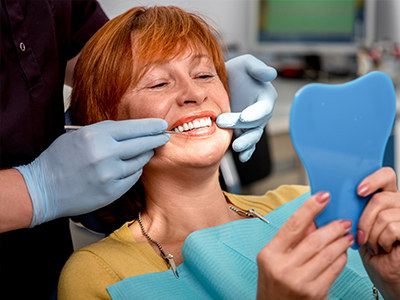
All-on-6® is a contemporary implant approach that rebuilds a complete upper or lower arch using six strategically placed implants to support a fixed prosthesis. For many patients who are missing most or all teeth, this solution restores chewing function, speech clarity, and a natural-looking smile without the removable elements of traditional dentures. The goal is to give patients a dependable, low-maintenance restoration that feels and functions much like their original teeth.
At its core, the All-on-6® method uses six biocompatible implants set into the jawbone to act as anchors for a full-arch prosthesis. Each implant integrates with the bone through a process called osseointegration, creating a solid foundation for the replacement teeth. The prosthesis itself is designed to distribute chewing forces evenly across the implants, minimizing stress on any single implant and supporting long-term stability.
The restoration attached to those implants can be made from a variety of materials—ranging from high-grade acrylic to hybrid zirconia frameworks—depending on the clinical plan and the patient’s functional and aesthetic needs. A provisional or temporary bridge is often fitted immediately or soon after surgery to restore function and appearance while the implants heal. Later, once integration is confirmed, a definitive prosthesis is fabricated for optimal fit and durability.
It’s important for patients to understand that All-on-6® combines surgical and prosthetic phases. Precision planning, including three-dimensional imaging and careful implant placement, plays a critical role in achieving predictable outcomes. The team coordinates implant positioning and prosthetic design to ensure the final restoration meets both functional and cosmetic goals.
Fixed implant-supported arches eliminate many of the day-to-day compromises associated with removable dentures. Because the prosthesis is secured to implants, patients typically experience improved bite strength and fewer limitations on what they can eat. Speech also tends to be clearer because the restoration behaves like natural teeth rather than a movable plate.
Another practical advantage is hygiene and convenience. Fixed restorations remove the need for adhesive pastes and nightly soaking routines; cleaning is performed with regular brushing, flossing aids, and periodic professional care. This familiarity in daily maintenance can be reassuring for patients who want a long-term solution that fits naturally into their lifestyle.
From a biological perspective, implant fixtures help preserve the jawbone by transmitting functional forces through the bone in a manner similar to natural teeth. This stimulation helps maintain bone volume and facial support, contributing to a more stable and youthful jawline over time when compared to long-term denture wear without implants.
The All-on-6® journey begins with a comprehensive evaluation, which typically includes a clinical exam, medical history review, and imaging such as cone-beam CT scans. These steps allow the clinician to assess bone quantity and quality, locate vital anatomical structures, and design an individualized implant plan. Treatment planning also includes discussing esthetic goals and functional expectations with the patient.
On the day of surgery, the implants are placed according to the preoperative plan—often in a single visit. Many patients receive temporary teeth on the same day or shortly thereafter, enabling immediate restoration of appearance and function. The initial healing period focuses on osseointegration; during this time, patients follow a tailored post-operative regimen to support recovery and protect the new implants.
Follow-up visits are scheduled to monitor healing and to make any necessary adjustments to the provisional prosthesis. After the implants have integrated—commonly a few months—the provisional is replaced by the final prosthesis, which is carefully refined for bite, esthetics, and comfort. Throughout recovery and beyond, the clinical team provides guidance on oral hygiene and routine maintenance to maximize the longevity of the restoration.
All-on-6® is often recommended for patients who are missing most or all teeth in one arch, or who have failing dentition that is not suitable for predictable restoration. Adequate overall health, reasonable bone support, and commitment to oral hygiene are typical prerequisites. However, the technique can be adapted in many scenarios through careful planning and, when necessary, adjunctive procedures to optimize implant placement.
Certain medical conditions and lifestyle factors can affect candidacy. For example, uncontrolled systemic illnesses, heavy tobacco use, or certain medications may influence healing and implant success rates. A thorough medical and dental assessment helps identify any risk factors and guides clinicians in tailoring the approach—sometimes involving medical clearance, smoking cessation recommendations, or coordination with other healthcare providers.
Realistic expectations are essential. While All-on-6® offers major improvements in function and appearance, patients should understand the difference between provisional and final prostheses, the timeline for healing, and the periodic maintenance that implants require. When patients and their clinicians collaborate on a clear plan, outcomes tend to be more predictable and satisfying.
Once placed, implant-supported restorations require a combination of consistent home care and professional monitoring. Daily brushing using non-abrasive toothpaste, interdental cleaning tools for areas around implant abutments, and routine rinsing as advised by the clinical team are all part of a healthy maintenance regimen. These habits help control plaque and reduce the risk of inflammation around the implants.
Regular dental visits are important for professional cleaning, assessment of implant stability, and early detection of any wear or prosthetic issues. The fixed prosthesis may require periodic adjustments or component replacement over the years; prompt attention to repairs can prevent more extensive problems. For patients who grind their teeth, a custom nightguard may be recommended to protect the restoration from excessive forces.
Monitoring also includes periodic radiographic and clinical checks to evaluate bone levels and soft-tissue health around the implants. With consistent care and appropriate follow-up, many patients enjoy stable function and appearance from their implant-supported arch for many years.
Smiles N Beyond is committed to guiding patients through every stage of implant rehabilitation with clear information and individualized planning. If you are considering full-arch restoration, this approach offers a predictable pathway to regain function and confidence without the daily inconveniences of removable dentures.
For more information or to discuss whether All-on-6® might be right for you, please contact us to schedule a consultation with our team. We can evaluate your situation, explain the options in detail, and outline the next steps toward a lasting, comfortable restoration.


All-on-6® is a full-arch dental implant protocol that replaces an entire upper or lower set of teeth using six implants as anchors for a fixed prosthesis. The implants are surgically placed into the jawbone and allowed to integrate with the bone through osseointegration, creating a stable foundation for replacement teeth. A provisional prosthesis is often attached during or shortly after surgery to restore function and appearance while healing continues.
The final prosthesis is designed to distribute chewing forces evenly across the six implants, which helps reduce stress on any single fixture and supports long-term stability. Materials for the restoration range from reinforced acrylic to hybrid zirconia frameworks, selected to balance durability, function and esthetics. The combined surgical and prosthetic approach aims to provide patients with a restoration that behaves much like natural teeth in everyday use.
Unlike removable dentures, an All-on-6® restoration is fixed to implants and does not rely on adhesives or suction to stay in place. This fixed connection typically improves bite strength and chewing efficiency, allowing patients to eat a wider variety of foods with greater comfort and confidence. Speech is often clearer because the prosthesis is stable rather than shifting on the gums.
From a maintenance perspective, fixed implant-supported arches are cleaned with normal oral hygiene tools and periodic professional care rather than nightly soaking and special adhesives. Biologically, implants transmit functional forces to the jawbone, which helps preserve bone volume and facial support compared with long-term denture wear that can accelerate bone resorption. Overall, the fixed nature of the All-on-6® approach offers functional, hygienic and structural advantages for many patients.
Both All-on-6® and All-on-4® are full-arch implant protocols that provide a fixed prosthesis anchored to multiple implants, but they differ in the number and often the distribution of implants. All-on-6® uses six implants, which can offer greater load distribution and additional redundancy in cases where bone volume is adequate. All-on-4® uses four implants with strategic angulation to maximize available bone and may be preferable when bone quantity is limited without extensive grafting.
The choice between the two techniques depends on individual anatomy, functional demands and the clinician’s treatment objectives. More implants can provide enhanced primary stability and potential longevity for certain patients, while fewer implants can reduce surgical complexity in specific scenarios. A comprehensive clinical evaluation and three-dimensional imaging guide the selection of the most appropriate protocol for each case.
Patients who are missing most or all teeth in an arch, or whose remaining teeth are nonrestorable, are typical candidates for the All-on-6® approach. Adequate general health, reasonable bone support in the proposed implant sites and a commitment to maintaining oral hygiene are important considerations for candidacy. Certain medical conditions, medications or heavy tobacco use can affect healing and implant success, so a full medical and dental history is reviewed before recommending treatment.
When bone volume is insufficient, the treatment plan may include adjunctive procedures such as bone grafting or sinus augmentation to optimize implant placement. A candidacy assessment also incorporates functional goals, esthetic expectations and the patient’s willingness to follow post-operative instructions. The final recommendation is individualized after imaging and clinical evaluation to ensure predictable outcomes.
The evaluation begins with a thorough clinical exam, review of medical history and three-dimensional imaging such as cone-beam CT to assess bone quantity, anatomical landmarks and prosthetic space. Digital planning software is often used to simulate implant positions and design a surgical guide that improves placement accuracy. This collaborative planning stage aligns surgical and prosthetic goals to achieve optimal function and esthetics.
During the consultation the clinician discusses the expected timeline, the distinctions between provisional and final prostheses, and any preparatory procedures that may be needed. Patients receive instructions about preoperative preparations and what to expect on the day of surgery. Clear communication at this stage helps set realistic expectations and supports a coordinated treatment experience.
Surgery typically involves placement of six implants according to the preoperative plan, often performed in a single visit under local anesthesia with or without sedation. When indicated, a provisional fixed bridge may be attached that same day or shortly afterward to restore appearance and basic function while osseointegration occurs. Patients should expect localized swelling, mild discomfort and dietary adjustments during the early healing phase.
Recovery protocols include short-term activity modification, antimicrobial mouth rinses as advised, and adherence to a soft or modified diet until healing permits full function. Follow-up visits are scheduled to monitor soft-tissue healing and prosthesis fit, and to make any necessary adjustments to the provisional restoration. Clear post-operative instructions from the clinical team support successful healing and implant integration.
A provisional prosthesis provides immediate restoration of appearance and limited function during the healing and osseointegration period, and it allows the clinical team to evaluate esthetics, phonetics and bite. Provisionals are typically designed to be easily adjusted and may be fabricated from materials that are suitable for temporary use. They play a key role in shaping soft tissues and guiding occlusion for the final restoration.
The final prosthesis is crafted after integration is confirmed and is optimized for long-term durability, comfort and esthetics using more robust materials and refined laboratory processes. The transition to the final prosthesis involves careful verification of fit, bite relationships and esthetic details to achieve the intended outcome. Ongoing maintenance protocols are reviewed with the patient to protect the definitive restoration.
As with any surgical procedure, All-on-6® carries potential risks such as infection, delayed healing, implant failure and soft-tissue complications, though careful planning and postoperative care reduce these risks. Nerve injury and sinus involvement are uncommon but possible when implants are placed near critical anatomical structures, which is why three-dimensional imaging and precise surgical planning are essential. Smoking, uncontrolled systemic conditions and certain medications can increase complication rates and are evaluated during candidacy assessment.
Many complications are preventable or manageable when identified early through routine follow-up and professional monitoring. The clinical team provides instructions for recognizing warning signs and recommends timely evaluation if concerns arise. Collaborative management between the patient and clinician supports the best chance for long-term success.
Daily care for an implant-supported arch includes thorough brushing with a nonabrasive toothpaste and the use of interdental brushes or floss designed for implants to clean around abutments and prosthetic margins. Patients should follow specific cleaning techniques recommended by the clinical team to control plaque and reduce the risk of peri-implant inflammation. Antimicrobial rinses may be advised during healing or as part of a maintenance regimen.
Regular professional appointments are important for implant inspections, hygiene visits and periodic radiographic checks to monitor bone levels and prosthetic integrity. If the patient grinds or clenches, a custom nightguard may be recommended to protect the restoration from excessive forces. Prompt attention to any loosening, discomfort or changes in soft tissue helps prevent minor issues from becoming more significant.
When implants integrate successfully and patients adhere to recommended hygiene and recall schedules, All-on-6® restorations can provide many years of stable function and esthetics. The longevity of the prosthesis depends on factors such as material selection, the patient’s oral hygiene, parafunctional habits and overall health. Periodic component wear or prosthetic adjustments may be needed over time, which is a normal aspect of long-term care.
Follow-up typically includes routine hygiene visits, implant stability assessments and radiographic evaluations at intervals determined by the clinician. At Smiles N Beyond in Wallington, N.J., the treatment team emphasizes structured follow-up to identify early changes, perform maintenance and preserve both implant health and prosthetic function. Consistent communication between patient and provider supports predictable outcomes and timely management when intervention is required.

Ready to schedule your next dental appointment or have questions about our services?
Getting in touch with Smiles N Beyond is simple. Our friendly team is here to help you schedule appointments, answer questions about treatment options, and address any concerns you may have. Whether you prefer to call our office, send an email, or complete our easy online contact form, we’re happy to assist you. Take the first step toward a healthier, more confident smile, contact us today and experience the difference personalized dental care can make.