At Smiles N Beyond, we combine careful clinical judgment with modern dental technology to restore teeth that have been compromised by decay, injury, or wear. Our approach balances strength and appearance so restorations perform comfortably and look natural. Patients benefit from individualized treatment planning that focuses on long-term oral health and a confident smile.
Tooth enamel is remarkably durable, but it isn’t invincible. Large cavities, fractures, teeth that have undergone root canal therapy, and chronic grinding can all leave a tooth weakened and vulnerable to further damage. In many cases, a direct filling is not enough to rebuild structure and protect the tooth for the years ahead. That’s where a crown becomes the more reliable restorative choice.
Advances in dental ceramics now make it possible to create crowns that are both strong and lifelike. All-ceramic crowns eliminate the need for metal substructures while providing excellent wear resistance and natural translucency. These restorations are crafted to match your surrounding teeth so they blend seamlessly with your smile.
Every restoration we place is planned around a patient’s functional needs and cosmetic goals. We take time to explain options, answer questions, and arrive at a solution that protects oral health while respecting the appearance of your smile.
A dental crown is a full-coverage restoration that replaces missing tooth structure and restores proper form and function. Clinically, crowns are recommended when a tooth has lost substantial structure and needs reinforcement to withstand everyday forces like chewing and grinding. The goal is to prevent further breakdown and preserve the remaining tooth.
Common clinical scenarios that often call for a crown include teeth with extensive decay, large or fractured fillings, or those that have been weakened after endodontic (root canal) treatment. Crowns also serve as the final restoration for dental implants and as the supporting exterior for fixed bridges.
Beyond strength, crowns are used to correct cosmetic concerns such as misshapen, discolored, or proportionally small teeth. When properly selected and crafted, a crown can restore both the appearance and the mechanical stability of a tooth, improving your bite and overall oral comfort.
To repair and rebuild a tooth with extensive structural damage due to decay or trauma
To replace a large or broken filling
To restore a dental implant
To provide full coverage for the abutment teeth that support a traditional dental bridge
To strengthen and protect a tooth after root canal therapy
To improve the appearance of an undersized, slightly misaligned, darkly stained, or misshapen tooth
To address bite discrepancies

All-ceramic crowns are designed to mimic the optical properties of natural enamel, including translucency, color depth, and surface texture. Skilled technicians layer or mill advanced ceramic materials to achieve a lifelike finish that reflects light in a way similar to adjacent teeth. The result is a restoration that looks natural whether you are smiling, speaking, or laughing.
Today’s ceramics also deliver meaningful improvements in durability compared with earlier generations. Modern materials are manufactured to resist fracture and wear, making them a dependable option for many restorations. Because they are metal-free, ceramic crowns avoid visible gray margins at the gum line and can be a better aesthetic choice for patients concerned with appearance.
Beyond cosmetics, ceramic crowns interact gently with the surrounding soft tissues. Their smooth, well-polished surfaces are less likely to irritate gums and are resistant to staining. For patients with metal sensitivities, a metal-free crown eliminates concerns related to allergic reactions while providing a stable, long-lasting restoration.
Excellent color matching and translucency for a natural look
Conservative tooth preparation is often possible because some ceramics can be made thinner without sacrificing strength
Lightweight, metal-free construction that avoids dark gingival margins
Biocompatible surfaces that are gentle on surrounding gum tissue
Resistance to staining and long-term color stability
Appropriate for patients with metal sensitivities
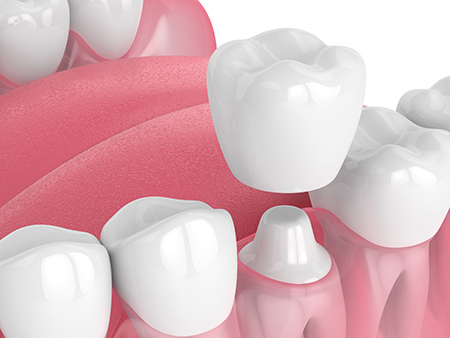
Not all ceramics are identical. The best choice depends on the tooth’s location, the forces it must endure, and the aesthetic demands of your smile. Back teeth typically require materials with higher flexural strength, while front teeth benefit from highly translucent ceramics that match surrounding enamel.
Our team evaluates each case carefully and discusses material options based on clinical needs and cosmetic goals. Factors such as opposing dentition, bite dynamics, and the amount of remaining tooth structure play a role in selecting the ideal ceramic. When appropriate, we use digital imaging and shade-matching technology to plan restorations precisely.
Common ceramic families used for crowns include glass-ceramics, pressable porcelains, and zirconia-based materials. Each offers a balance of esthetics and strength suited to particular clinical situations. We prioritize materials that have proven track records for performance while delivering the most natural appearance possible.
Lithium Disilicate Porcelain Crowns
Leucite Reinforced Pressable Porcelain Crowns
Solid or Monolithic Zirconia
High Translucent Zirconia

The treatment pathway typically begins with a focused evaluation and imaging to determine the tooth’s condition and the surrounding structures. If a crown is appropriate, the tooth is prepared by removing any compromised material and shaping the remaining enamel for a precise fit. We strive to preserve as much healthy tooth structure as possible.
Once prepared, impressions or digital scans are taken to capture the exact contours of your mouth. These records are used to fabricate a crown that fits comfortably and maintains correct bite relationships. In many cases, a temporary restoration protects the prepared tooth while the final crown is being made.
Crown fabrication can involve milling in-office for same-day restorations or partnering with a dental laboratory for more customized results. At the fitting appointment, the crown is evaluated for fit, occlusion, and shade match before final cementation. We provide guidance on care and maintenance to help your restoration last for many years.
Our practice emphasizes thoughtful treatment planning and attention to detail at every step. We combine clinical experience with modern materials and digital tools to deliver restorations that meet both functional and cosmetic expectations. Patient comfort and predictable outcomes are central to how we approach crown therapy.
We collaborate with experienced dental laboratories and use evidence-based protocols to ensure your crown performs well and looks natural. Your long-term oral health guides our recommendations, and we tailor each plan to the unique needs of your smile.
If you have questions about ceramic crowns or want to explore whether they are the right solution for a weakened or misshapen tooth, our team is happy to walk you through the process and options.
In summary, ceramic crowns offer a durable, natural-looking way to restore teeth that need full coverage. They combine modern materials with careful planning to protect function while enhancing appearance. Contact us for more information or to schedule a conversation about whether a ceramic crown is the right choice for your smile.


A ceramic crown is a full-coverage dental restoration made from advanced, tooth-colored ceramic materials that replaces missing or damaged tooth structure. It fits over a prepared tooth to restore proper form, function, and appearance while protecting the remaining tooth from further breakdown. Ceramic crowns are metal-free and designed to mimic the translucency, color depth, and surface texture of natural enamel.
Modern ceramic materials are fabricated using precise milling or laboratory layering techniques to ensure a snug fit and lifelike esthetics. Because they are biocompatible and resistant to staining, ceramic crowns are commonly chosen when appearance and long-term color stability are priorities. Your dentist will explain whether a ceramic crown is the most appropriate option based on the tooth’s condition and your cosmetic goals.
Ceramic crowns are recommended when a tooth has lost substantial structure and a filling would not provide adequate strength or protection. Typical scenarios include large cavities, fractured or failing restorations, teeth that have undergone root canal therapy, and teeth weakened by chronic grinding. The crown restores chewing function and helps prevent further structural failure by covering and reinforcing the remaining tooth.
In addition to structural concerns, crowns are used to address significant cosmetic issues such as severe staining, misshapen teeth, or disproportionate size that cannot be corrected with conservative restorations. Your dentist will evaluate the amount of remaining tooth structure, occlusion, and opposing dentition to determine whether a crown or another restoration is the better long-term solution.
There are several ceramic families used for crowns, each offering a different balance of esthetics and strength. Common choices include lithium disilicate (noted for excellent translucency and good strength), pressable porcelain (valued for natural shading and surface texture), and zirconia-based ceramics (recognized for high flexural strength and durability). High-translucent zirconia combines improved esthetics with the toughness needed for posterior teeth.
The selection depends on the tooth’s location, the forces it endures, and cosmetic needs. Front teeth typically benefit from highly translucent materials to match adjacent enamel, while molars may require stronger ceramics to withstand heavy chewing forces. Your dental team will discuss the advantages of each material and recommend the best option for your specific case.
The crown process usually begins with a thorough evaluation and imaging to assess the tooth and surrounding structures. The tooth is then prepared by removing compromised material and shaping the remaining tooth so the crown fits precisely; impressions or digital scans are taken to capture the exact contours. A temporary restoration is often placed to protect the prepared tooth while the final crown is fabricated by a lab or milled in-office.
At the fitting visit the crown is evaluated for fit, occlusion, and shade match before final cementation. Adjustments are made as necessary to ensure comfortable bite relationships and proper contact with adjacent teeth. Your dentist will provide guidance on immediate care and what to expect during the initial healing period after placement.
Yes, some ceramic crowns can be completed in a single appointment using in-office CAD/CAM milling systems that design and mill the restoration from a solid ceramic block. Same-day crowns are convenient for patients who prefer fewer visits and immediate final restorations, and they are particularly suitable when a ceramic material compatible with chairside milling is selected. The workflow includes intraoral scanning, digital design, milling, and final polishing or staining before placement.
Although same-day crowns offer speed and convenience, certain cases still benefit from laboratory-fabricated crowns that allow for more complex layering and individualized shading. Your dentist will consider the clinical complexity, esthetic demands, and material choice when recommending whether a same-day crown or lab-processed restoration is preferable.
The lifespan of ceramic crowns varies but many can last a decade or longer with proper care and maintenance. Longevity depends on factors such as the patient’s oral hygiene, bite forces, the amount of remaining tooth structure, choice of ceramic material, and how well the crown was fitted and cemented. Regular dental checkups allow the dentist to monitor crown integrity, surrounding gum health, and opposing teeth.
Habits like bruxism (teeth grinding), biting hard objects, or inconsistent oral hygiene can shorten a crown’s life, while protective measures such as night guards and good home care help extend it. Promptly addressing any chips, looseness, or sensitivity with your dental team improves outcomes and reduces the risk of complications.
Yes, ceramic crowns are an excellent option for patients with metal sensitivities because they are metal-free and biocompatible. Eliminating metal substructures removes the risk of allergic reactions to metal alloys and avoids visible gray margins at the gum line that can occur with porcelain-fused-to-metal restorations. The smooth, polished surfaces of ceramic crowns are also gentle on surrounding soft tissues and resistant to staining.
Your dentist will discuss material selection in the context of any known sensitivities, medical history, and esthetic goals. When appropriate, ceramic options provide a durable, comfortable, and visually pleasing alternative to metal-containing crowns.
Caring for a ceramic crown is similar to caring for natural teeth: maintain thorough daily brushing and flossing to prevent decay at the crown margin and preserve gum health. Use a nonabrasive fluoride toothpaste and floss carefully around the crown to avoid food impaction and plaque buildup. Routine dental cleanings and examinations allow your dentist to check the integrity of the crown and the health of surrounding tissues.
If you have habits that place extra stress on restorations, such as teeth grinding, discuss protective strategies with your dentist, like a custom night guard. Report any persistent sensitivity, looseness, or visible changes promptly so the team can evaluate and address issues before they progress.
Ceramic crowns provide full-coverage restoration for teeth that require substantial reinforcement, while veneers, inlays, and onlays are more conservative options that preserve more natural tooth structure. Veneers cover only the front surface of teeth and are primarily cosmetic, inlays/onlays repair moderate damage within the biting surface, and crowns encase the entire visible portion of the tooth. The choice among these options depends on the extent of structural loss, functional demands, and esthetic goals.
Your dentist will evaluate the tooth’s condition, occlusion, and long-term prognosis to recommend the most appropriate restoration. When strength and protection are the priorities, especially after root canal therapy or large fractures, a ceramic crown is often the preferred solution.
The team at Smiles N Beyond combines clinical experience with modern digital tools and proven ceramic materials to plan and execute crown restorations that meet both functional and cosmetic objectives. We emphasize individualized treatment planning, careful material selection, and collaboration with skilled dental laboratories or in-office milling systems to achieve precise fit and natural appearance. Patient comfort, predictable outcomes, and long-term oral health guide each recommendation from the initial evaluation through final cementation.
When you have questions about whether a ceramic crown is the right option for your tooth, our team in Wallington, NJ will explain the clinical rationale, review material choices, and outline what to expect during treatment. We welcome a conversation to help you make an informed decision about restoring and protecting your smile.

Ready to schedule your next dental appointment or have questions about our services?
Getting in touch with Smiles N Beyond is simple. Our friendly team is here to help you schedule appointments, answer questions about treatment options, and address any concerns you may have. Whether you prefer to call our office, send an email, or complete our easy online contact form, we’re happy to assist you. Take the first step toward a healthier, more confident smile, contact us today and experience the difference personalized dental care can make.