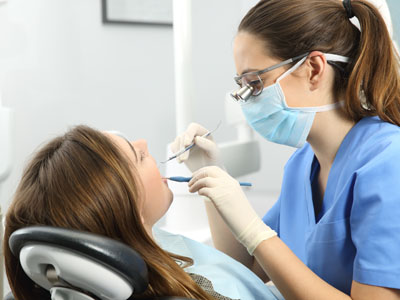
Even the most careful brushing and flossing at home can't always reach every tight space or remove every stubborn deposit. Professional dental cleanings are designed to address those areas, removing the plaque and hardened tartar that toothbrushes and floss can't fully eliminate. Regular cleanings are a foundational part of preventive care — they preserve gum health, lower your risk of cavities, and help keep a smile looking and feeling its best.
Home care is critical, but it has limits. Plaque that lingers along the gumline can mineralize into calculus (tartar), which bonds to tooth surfaces and can only be removed by trained clinicians. Left unchecked, these deposits create an environment where harmful bacteria thrive, increasing the chance of gum inflammation and decay. Professional cleanings interrupt that process, removing biofilm and tartar before problems progress.
Beyond the local effects on teeth and gums, maintaining healthy oral tissues supports overall well-being. Research links chronic gum inflammation to broader health concerns, making routine maintenance a smart strategy for both dental and systemic health. Seeing a dental hygienist on a consistent schedule helps identify early changes before they become more complex.
Finally, cleanings are an opportunity for professional assessment. During a routine visit, the hygienist and dentist can spot signs of gum disease, decay, and other issues that might be missed during everyday care, allowing for timely, conservative interventions that preserve natural teeth and tissue.
A typical cleaning begins with a careful evaluation of your oral condition, including a visual exam of teeth and gums. The hygienist then removes plaque and tartar using a combination of instruments tailored to your needs. This may involve manual scalers for precise work and an ultrasonic scaler that uses water spray and gentle vibrations to dislodge deposits efficiently.
After scaling, the clinician will polish the teeth to smooth the surface and remove superficial staining. Polishing not only improves the appearance of the teeth but also makes it more difficult for fresh plaque to adhere. The appointment usually concludes with a final flossing and a review of any findings or recommended next steps based on your oral health status.
Throughout the procedure, the hygienist adjusts techniques to keep you comfortable and to address sensitive areas. If deeper pockets or signs of periodontal disease are present, the dental team will explain what those findings mean and outline appropriate follow-up care to manage and stabilize the condition.
Dental professionals combine modern technology with time-tested techniques to deliver thorough cleanings while minimizing discomfort. Ultrasonic scalers break up heavy deposits quickly with controlled vibrations and a gentle water flow, which also helps flush plaque from beneath the gumline. Manual instruments are then used for detailed scaling where required, providing precision around tight contacts and root surfaces.
Polishing typically follows, using a rotating cup and a mild abrasive paste to remove surface stains and smooth enamel. This step enhances aesthetics and can make at-home cleaning more effective between visits. For patients with tooth sensitivity or anxious responses, the team offers strategies to reduce discomfort, such as topical desensitizing agents, adjusted pressure, and frequent breaks during the appointment.
In every cleaning, infection control and patient safety are paramount. Equipment is sterilized or single-use items are employed when appropriate, and clinicians follow rigorous protocols to maintain a clean, professional environment for each patient.
A professional cleaning gives you a fresh start, but daily maintenance determines how long that feeling lasts. Brushing twice a day with a fluoride toothpaste, flossing daily, and using interdental cleaners where appropriate are the cornerstones of effective home care. These habits reduce the speed at which plaque reaccumulates and help preserve the results of your in-office visit.
Your hygienist will often provide personalized guidance based on your specific needs — from technique adjustments to product recommendations for sensitivity, dry mouth, or difficult-to-reach areas. Small changes in routine or tools can make a noticeable difference in plaque control and gum health.
Nutrition and lifestyle choices also influence oral health. Limiting frequent snacking on sugary items, staying hydrated, and avoiding tobacco all contribute to a healthier mouth. The dental team can offer practical tips that fit into your daily life so preventive care becomes manageable and sustainable.
Some patients need extra attention during cleanings, whether due to sensitive teeth, recessed gums, or a history of periodontal disease. For sensitive cases, clinicians can use gentler techniques, topical agents, or specific instruments that reduce discomfort while still achieving thorough debridement. Communication during the appointment is encouraged so the team can respond immediately if adjustments are needed.
When gum pockets are deeper or inflammation is present, routine cleanings may be combined with more targeted periodontal therapy. The goal in these situations is to remove bacterial buildup from beneath the gumline and to stabilize the tissues so that further progression is halted. Early detection and consistent maintenance appointments are key to preserving gum support and preventing more invasive treatment later on.
For those with restorative work, implants, or orthodontic appliances, cleanings are adapted to protect and maintain those specific structures. Specialized instruments and techniques help clean around crowns, bridges, implants, and brackets without causing damage, ensuring all patients receive safe, effective care tailored to their situation.
Regular dental cleanings are a practical, evidence-based cornerstone of preventive dentistry. By combining professional removal of plaque and tartar with personalized home-care guidance, patients preserve gum health, reduce the risk of decay, and keep their smiles looking healthy. If you have questions about routine cleanings or want to learn how often you should schedule an appointment for your particular needs, please contact Smiles N Beyond for more information.


A professional dental cleaning is a clinical procedure that removes plaque, biofilm and hardened tartar from tooth surfaces and along the gumline. Hygienists use specialized instruments and techniques to reach areas that ordinary brushing and flossing often miss. Regular cleanings are a cornerstone of preventive dentistry because they reduce the risk of cavities and gum inflammation.
In addition to removing deposits, a cleaning includes a careful visual assessment of the teeth and soft tissues to identify early signs of decay, gum disease or other oral conditions. The hygienist and dentist review findings and recommend any needed follow-up or preventive measures. This visit also provides an opportunity to reinforce personalized home-care strategies for long-term oral health.
For many adults, a cleaning every six months is a reliable schedule that balances plaque control with practical timing. That interval supports early detection of problems and helps keep gum tissues stable for most patients. However, individual risk factors such as a history of periodontal disease, heavy plaque buildup, diabetes or a weakened immune system can require more frequent visits.
Your dental team will recommend an interval based on your clinical exam, pocket depths and overall risk profile. Children and patients with orthodontic appliances may also need a tailored schedule to address specific challenges. Regular reassessment ensures the interval remains appropriate as your oral health changes.
A typical modern cleaning begins with a review of your medical and dental history and a visual exam of the mouth. The hygienist then removes plaque and tartar using a combination of ultrasonic scalers that use gentle vibrations and water spray and manual instruments for precise work. After scaling, teeth are polished to smooth enamel and remove superficial staining, followed by flossing and a review of any findings.
Throughout the appointment, clinicians adjust technique and pressure to maintain comfort and address sensitive areas. If deeper pockets or signs of periodontal disease are present, the team will explain what those findings mean and outline appropriate follow-up care. The goal is a thorough, comfortable visit that leaves you with clear guidance on next steps.
Dental professionals combine modern technology with time-tested instruments to deliver efficient, comfortable cleanings. Ultrasonic scalers break up heavy deposits quickly with controlled vibrations and water flow, while manual scalers provide precision in tight contacts and along root surfaces. Polishing with a rotating cup and mild abrasive paste helps remove surface stains and creates a smoother surface that resists rapid plaque accumulation.
Clinicians prioritize comfort by using topical desensitizing agents, adjusting pressure, taking breaks and offering targeted techniques for sensitive areas. Strict infection-control protocols and sterilization procedures ensure a safe environment for every patient. The result is a thorough cleaning that minimizes discomfort and maximizes oral health benefits.
A professional cleaning provides a fresh start, but daily home care determines how long the benefits last. Brush twice a day with a fluoride toothpaste, floss daily or use interdental cleaners where appropriate, and follow any product recommendations your hygienist provides. Consistent technique and proper tools reduce the rate at which plaque reaccumulates and help maintain gum health between visits.
Your hygienist may suggest specific products for sensitivity, dry mouth or hard-to-reach areas, along with technique adjustments tailored to your needs. Nutrition and lifestyle choices also matter — limiting frequent sugary snacks, staying hydrated and avoiding tobacco support a healthier mouth. If you have questions about at-home care, your dental team can provide clear, individualized guidance.
Patients with tooth sensitivity, recession or a history of periodontal disease receive extra attention during cleanings to balance comfort with effective debridement. Clinicians can use gentler scaling techniques, topical desensitizing agents and specific instruments designed to reduce irritation while removing deposits. For active gum disease, cleanings are often combined with targeted periodontal therapy to remove bacteria beneath the gumline and stabilize tissue health.
Communication during the appointment is encouraged so the team can respond immediately if adjustments are needed. Ongoing maintenance visits and close monitoring of pocket depths help prevent recurrence and reduce the need for more invasive treatments. Early detection and consistent follow-up are the most effective strategies for preserving gum support and tooth longevity.
Yes. Cleanings are adapted to protect and maintain restorative work, prosthetics and orthodontic appliances. Clinicians use specialized instruments and techniques that safely clean around crowns, bridges, implant abutments and brackets without damaging materials or hardware. Proper maintenance of these restorations is essential to prevent plaque accumulation and preserve surrounding tissues.
Implants require particular attention to avoid damaging the titanium surface, and peri-implant maintenance often includes nonmetallic instruments and careful probing. Orthodontic patients may need more frequent hygiene visits to control plaque around appliances. Your dental team will tailor the cleaning approach to your restorations and appliances to ensure thorough, safe care.
Certain warning signs indicate you may need an earlier dental visit, including bleeding gums during brushing, persistent bad breath, new or worsening gum swelling, or tooth pain. Loose teeth, pus around the gums, or noticeable changes in tooth position are also reasons to seek evaluation sooner rather than later. These symptoms can signal active infection or advancing periodontal disease that benefits from prompt attention.
If you notice any of these signs, schedule an assessment with the practice to determine whether more urgent care is needed. Early evaluation often leads to simpler, more conservative treatment and better long-term outcomes. When in doubt, the hygienist can advise on an appropriate interval at your next visit.
Maintaining healthy gums and reducing chronic oral inflammation contributes to overall well-being because persistent periodontal inflammation has been linked in research to systemic conditions such as cardiovascular disease and diabetes. Regular cleanings lower the bacterial load in the mouth and help control inflammatory responses that can affect the body beyond oral tissues. Keeping periodontal disease in check is therefore an important element of general health maintenance.
During routine cleanings, clinicians also screen for other oral concerns such as suspicious lesions and refer for further evaluation when needed. This preventive approach helps identify issues early and supports coordinated care with medical providers when appropriate. Good oral hygiene and professional maintenance work together to protect both dental and systemic health.
Preparing for a cleaning is straightforward: bring an up-to-date list of medications, inform the office of any recent medical changes and arrive ready to discuss your home-care routine and any symptoms. If you wear removable appliances, bring them so the team can clean and inspect them as needed. Brushing and flossing before your appointment helps the clinician focus on areas that need professional attention rather than removing basic debris.
Make a list of questions or concerns you want to address, such as sensitivity, home-care techniques or changes you have noticed in your mouth. If you have a history of gum disease or special medical needs, mention these when you check in so the team can allocate appropriate time and resources. Clear communication ensures a focused, efficient visit that supports your long-term oral health goals.

Ready to schedule your next dental appointment or have questions about our services?
Getting in touch with Smiles N Beyond is simple. Our friendly team is here to help you schedule appointments, answer questions about treatment options, and address any concerns you may have. Whether you prefer to call our office, send an email, or complete our easy online contact form, we’re happy to assist you. Take the first step toward a healthier, more confident smile, contact us today and experience the difference personalized dental care can make.