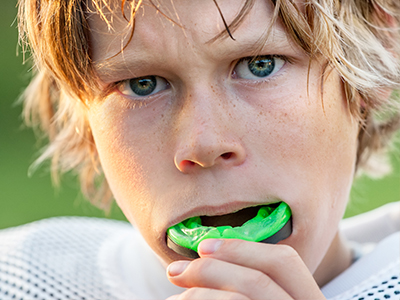
Sports-related impacts account for a large share of dental and facial injuries each year, and many of these are preventable. A properly fitted mouthguard acts as a durable barrier between teeth, lips, cheeks, and the hard surfaces they might otherwise collide with during play. By absorbing and dispersing force, a mouthguard reduces the chance of broken teeth, lacerations to soft tissues, and even jaw injuries that can lead to longer-term problems for patients of all ages.
Beyond the immediate protection of teeth and soft tissue, mouthguards can help limit indirect harm such as concussions and jaw fractures by cushioning the blow and stabilizing the lower jaw. For athletes involved in contact sports—football, hockey, rugby, martial arts, and others—or activities where falls and collisions are common, mouthguards are a simple, proven preventive measure. For parents and coaches, encouraging consistent use is one of the most effective steps to protect young athletes’ long-term oral health.
Wearing a mouthguard also supports continuity of dental treatment plans. Patients who sustain injuries may require complex restorative care that affects bite, alignment, and esthetics. Preventing those injuries not only preserves oral health but avoids interruptions to orthodontic or restorative therapy. For competitive and recreational athletes alike, a mouthguard is a relatively small investment in comfort and safety with outsized benefits for maintaining a healthy smile.
Sports mouthguards are available in three basic styles: stock (ready-to-wear), boil-and-bite (thermoplastic), and professionally fabricated custom mouthguards. Stock guards are pre-formed and inexpensive, but they rarely offer an optimal fit and can interfere with breathing or speech. Boil-and-bite guards soften in hot water and allow limited shaping to the wearer’s teeth, yielding a better fit than stock models but still falling short of the precision achieved with a custom device.
Custom-fabricated mouthguards are made from an impression or digital scan of a patient’s teeth and are constructed in a dental laboratory for exact fit, consistent thickness, and tailored protection. Because they conform precisely to the dental arch, custom guards are more comfortable, less likely to shift during activity, and provide superior shock absorption. For athletes with higher exposure to impact or those who require additional coverage, custom options are the best practice advised by many dental professionals.
When choosing between types, consider fit, comfort, breathing, speech, and the level of protection needed for the sport. While off-the-shelf options offer some protection and convenience, patients who wear braces, have restorations, or participate in high-contact sports will typically benefit most from a custom-fitted device that addresses their unique dental anatomy and protective needs.
Certain athletes and patients have stronger reasons to choose a custom mouthguard. Youth and teen athletes, for example, are often at higher risk because they may be less experienced in managing contact situations and are still developing dentally. Players wearing orthodontic appliances, such as braces or clear aligners, need a guard designed to prevent hardware damage and soft-tissue injuries that can be aggravated by metal brackets and wires. Likewise, individuals with crowns, bridges, or implants should use a mouthguard that protects both natural teeth and restorative work.
High-impact and collision sports—hockey, football, lacrosse, wrestling, and certain extreme sports—expose participants to forces that standard store-bought options may not mitigate effectively. Competitive athletes who require reliable protection for frequent practices and games will likely find the comfort and durability of a custom mouthguard preferable. Even non-contact activities that carry a risk of falls, such as skateboarding or cycling, can justify the added security of a professionally fitted device.
Age, medical history, and personal risk tolerance are all part of the decision-making process. A dental professional can assess a patient’s bite, dental work, and typical activity level to recommend the appropriate mouthguard type. This personalized approach ensures protection is aligned with individual needs rather than a one-size-fits-all solution.
The custom mouthguard process begins with an evaluation of oral health and a review of the patient’s athletic activities. The clinician will examine tooth position, restorations, and any orthodontic appliances, then take an impression or digital scan of the dental arches. Digital impressions are becoming more common for their accuracy and comfort, and both methods provide the precise data needed by the dental laboratory to fabricate a guard that matches the patient’s bite and contours.
Fabrication typically uses resilient materials chosen for shock absorption and durability. The lab constructs a device with consistent thickness in key areas—such as between the front teeth and along the occlusal surfaces—so impact energy is distributed safely. Patients who require extra features, such as additional coverage for the lower arch or modifications to fit around braces, receive a customized specification to address those needs without compromising airway or speech.
When the mouthguard is ready, the clinician checks fit, retention, and comfort, making minor adjustments as needed. Properly fitted guards should feel stable without provoking a gag reflex or obstructing breathing. The clinician will also review wear and care instructions to maximize performance and longevity, and will advise on periodic reassessment to account for growth, dental changes, or wear over time.
Good maintenance keeps a mouthguard hygienic and effective. Patients should rinse the device with cool water after every use and clean it thoroughly with a toothbrush and mild, non-abrasive soap or a denture cleaner on a regular basis. Heat can warp the materials, so avoid leaving a mouthguard in direct sunlight, a hot car, or near radiators. Drying it fully before storage helps prevent bacterial growth and odors.
Store the mouthguard in a ventilated, protective case—not wrapped in a damp towel—so it remains clean and undamaged between uses. Periodically inspect the guard for signs of wear: thinning material, cracks, tears, or a change in fit are all indications that protection may be compromised. For children and adolescents, routine replacement is more frequent because dental arches and tooth positions change as they grow.
Patients should also bring their mouthguard to dental visits so the clinician can examine it and confirm ongoing suitability. A well-maintained guard that is checked regularly will provide dependable protection and help avoid preventable dental injuries that can have long-term consequences for oral health.
Summary: Sports mouthguards are a practical, evidence-based way to reduce the risk of dental and facial injuries during athletic activity. Choosing the right type—especially a custom-fitted device—ensures better protection, comfort, and compatibility with any dental work or orthodontic appliances. Our practice places a high priority on patient safety and individualized care, and Smiles N Beyond is committed to helping athletes protect their smiles with professional guidance and well-fitted mouthguards. Contact us to learn more about how a mouthguard can fit into your or your child’s protective routine.


Sports mouthguards provide a protective barrier that helps absorb and disperse impact forces during falls, collisions, and contact play. A well-fitting guard reduces the risk of chipped or broken teeth, cuts to the lips and cheeks, and direct trauma to the jaw that can lead to longer-term dental problems. Consistent use during practices and games is one of the most effective preventive steps athletes and parents can take to preserve oral health.
Beyond immediate dental protection, mouthguards help maintain ongoing dental and orthodontic treatment plans by preventing injuries that could interrupt care. Avoiding traumatic damage also protects restorations such as crowns, bridges, and implants from additional stress. For athletes at all levels, a mouthguard is a practical, evidence-based tool to reduce the long-term consequences of sports-related injuries.
There are three primary styles of mouthguards: stock (ready-to-wear), boil-and-bite (thermoplastic), and custom-fabricated devices made from dental impressions or scans. Stock guards are inexpensive and pre-formed but rarely fit well, while boil-and-bite models offer some shaping and improved fit after softening in hot water. Custom mouthguards are made in a dental laboratory to match a patient’s dental anatomy, delivering superior retention, comfort, and consistent material thickness where protection is most needed.
Fit, comfort, breathing, and speech are important factors when comparing types, and the choice should reflect the level of contact in the sport and any individual dental needs. Athletes who wear braces, have significant dental restorations, or participate in high-contact sports generally benefit most from custom-fitted devices. Ultimately, a properly matched guard increases the likelihood of consistent wear and therefore better protection.
Custom-fitted mouthguards are recommended for youth and teen athletes, players wearing orthodontic appliances, and individuals with crowns, bridges, or implants that require additional protection. Young athletes are still developing dentally and may be at higher risk for injury, while braces and other hardware create unique hazards that off-the-shelf guards may not adequately address. Competitive athletes and those in high-impact sports will also appreciate the improved comfort and durability of a custom device.
The team at Smiles N Beyond can assess a patient’s bite, dental work, and typical activity level to recommend the best type of guard. A personalized evaluation ensures the selected device balances protection with comfort and does not interfere with breathing or communication during play. This individualized approach reduces preventable injuries and supports long-term oral health for active patients.
The custom mouthguard process begins with a clinical evaluation of oral health, tooth position, and any restorations or orthodontic appliances. The clinician then takes an impression or a digital scan of the dental arches, which provides accurate data for laboratory fabrication. Digital scans are increasingly common because they improve comfort and precision, but both methods yield the detailed contours required for a well-fitting device.
In the laboratory, technicians create the mouthguard from resilient materials designed for shock absorption and long-term wear, ensuring consistent thickness in critical zones. The dentist checks fit and retention at a follow-up visit and makes any minor adjustments for comfort and stability. Finally, the clinician provides instructions on wear, care, and periodic reassessment to maintain optimal performance over time.
Mouthguards help stabilize the jaw and can reduce the transmission of some forces that contribute to jaw fractures and certain indirect head impacts, but they are not a guarantee against concussions. By cushioning blows and helping distribute impact energy, a properly fitted guard can lower the severity of localized facial trauma and protect dental structures. Scientific evidence about concussion prevention is evolving, and mouthguards should be considered one component of a broader safety strategy.
Effective concussion prevention also depends on helmets, sport-specific protective equipment, rule enforcement, technique training, and prompt medical evaluation for head injuries. Athletes and coaches should combine a well-fitted mouthguard with these other measures to reduce overall risk. When concerns arise after a blow to the head or jaw, athletes should stop play immediately and seek professional evaluation to rule out concussion or other serious injury.
After each use, rinse the mouthguard under cool running water and remove any debris, then clean it regularly with a toothbrush and mild, non-abrasive soap or a denture cleaner. Avoid hot water and high temperatures that can warp the material, and allow the device to dry completely before storing. Proper drying helps prevent bacterial growth and unpleasant odors.
Store the mouthguard in a ventilated protective case when not in use, and avoid wrapping it in a damp towel or leaving it exposed to direct sunlight or heat. Inspect the device routinely for cracks, tears, or thinning, and bring it to dental visits so the clinician can confirm ongoing suitability. Good daily care extends the life and protective performance of the mouthguard.
Replace a mouthguard whenever it shows signs of wear, including thinning material, visible cracks or tears, distortion, or a noticeable change in fit. A poor fit compromises protection and retention, so any looseness or frequent shifting during use is a clear indication the device should be replaced. Children and adolescents often require more frequent replacement because tooth positions and jaw arches change as they grow.
Even if visible damage is not present, periodic evaluation by a dental professional is important to confirm that the guard still meets protective needs. Bring the mouthguard to routine dental visits so the clinician can assess wear patterns and recommend replacement timing based on activity level and dental changes. Proactive replacement helps avoid preventable injuries and maintains confidence in the device's performance.
Athletes with braces or clear aligners need a mouthguard that protects both the oral soft tissues and the orthodontic hardware from impact. Standard stock or poorly fitting boil-and-bite guards can press against brackets and wires, increasing the risk of lacerations or appliance damage, so a custom-fitted guard is often the safest choice. Similarly, patients with implants, crowns, or bridges should use a device that protects restorations without concentrating force on fixed prosthetics.
Custom mouthguards can be designed with extra thickness or specialized liners to accommodate appliances and distribute force more evenly across the dental arch. Coordination between the dentist and orthodontist ensures the chosen design safeguards ongoing treatment while preserving airway and speech function. Regular checkups are essential to adjust the guard as orthodontic work progresses or restorations change.
Consider the sport’s contact level, typical impact forces, and breathing or communication needs when selecting a mouthguard. High-contact sports such as football, hockey, and lacrosse generally demand more durable, precisely fitted devices with consistent material thickness in impact zones. For sports with lower contact but fall risk, such as skateboarding or cycling, a comfortable guard that stays in place and allows clear breathing is most important.
Also check any league or school safety requirements for mouthguards, since some organizations specify types or standards. Discuss sport-specific demands with a dental professional to select a device that balances protection, comfort, and compliance with rules. A tailored approach increases the likelihood athletes will wear the guard consistently and gain the full protection it can provide.
Dentists play a key role in evaluating oral health, recommending the best type of mouthguard, and creating a custom device when indicated. During follow-up visits the clinician will check fit, retention, and comfort, make minor adjustments as needed, and offer guidance on wear and maintenance. Periodic reassessment ensures the guard remains appropriate after dental changes, orthodontic treatment, or repeated wear.
At Smiles N Beyond in Wallington, NJ, our clinicians can perform a personalized assessment and fabricate or recommend a mouthguard that matches an athlete’s needs. Bringing the device to dental appointments allows the team to confirm performance and advise on replacement timing, helping athletes protect their smiles with confidence. Professional oversight maximizes the protective value of a properly fitted mouthguard.

Ready to schedule your next dental appointment or have questions about our services?
Getting in touch with Smiles N Beyond is simple. Our friendly team is here to help you schedule appointments, answer questions about treatment options, and address any concerns you may have. Whether you prefer to call our office, send an email, or complete our easy online contact form, we’re happy to assist you. Take the first step toward a healthier, more confident smile, contact us today and experience the difference personalized dental care can make.